
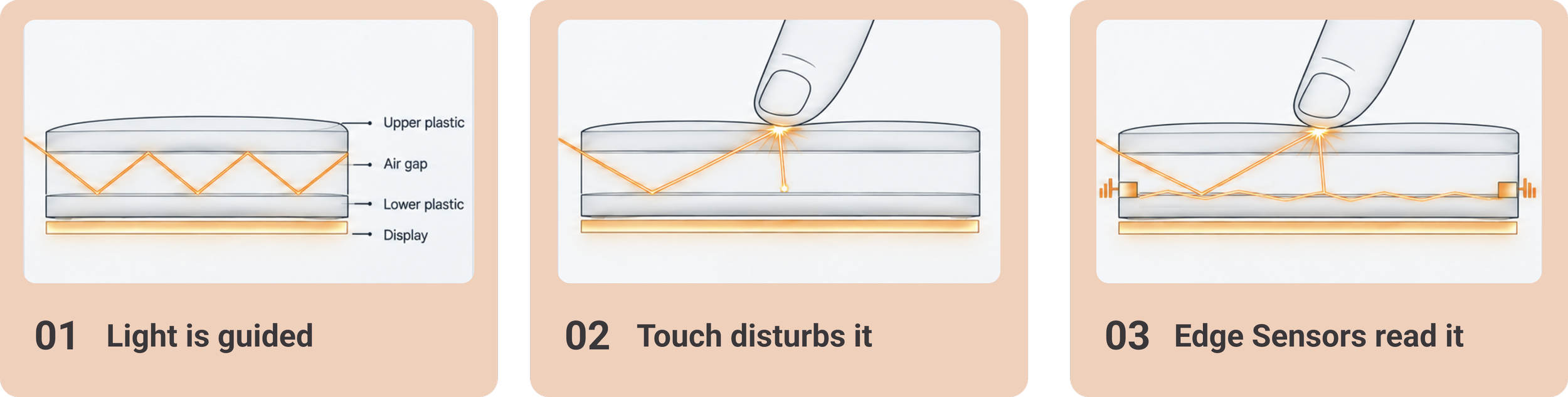
Uniphy Technology explain
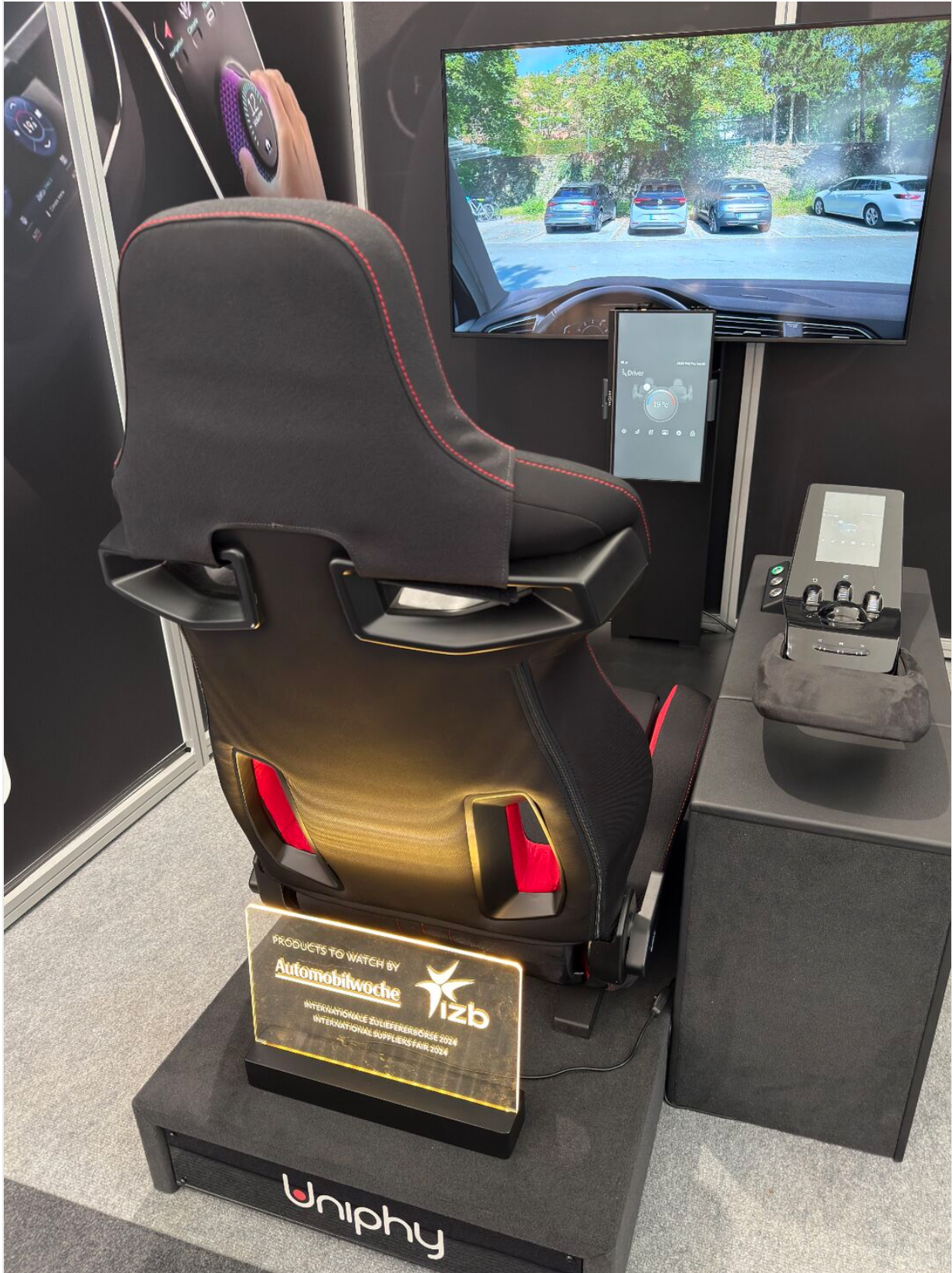
Unlike conventional bonded touchscreens, the technology uses separate, unbonded plastic layers. This makes it resistant to water and dust and suitable for extreme environments, including very hot or cold conditions. It can be moulded to almost any form factor, allowing the interface to feel organic to its environment and use case. Its modular construction also enables interchangeable functions and makes components easier to separate for recycling.
For me as a designer, this created a rare blank canvas. Without the constraints or established mental models of a conventional screen, I had to develop innovative interaction patterns that remained intuitive, discoverable and grounded in familiar user behaviour.

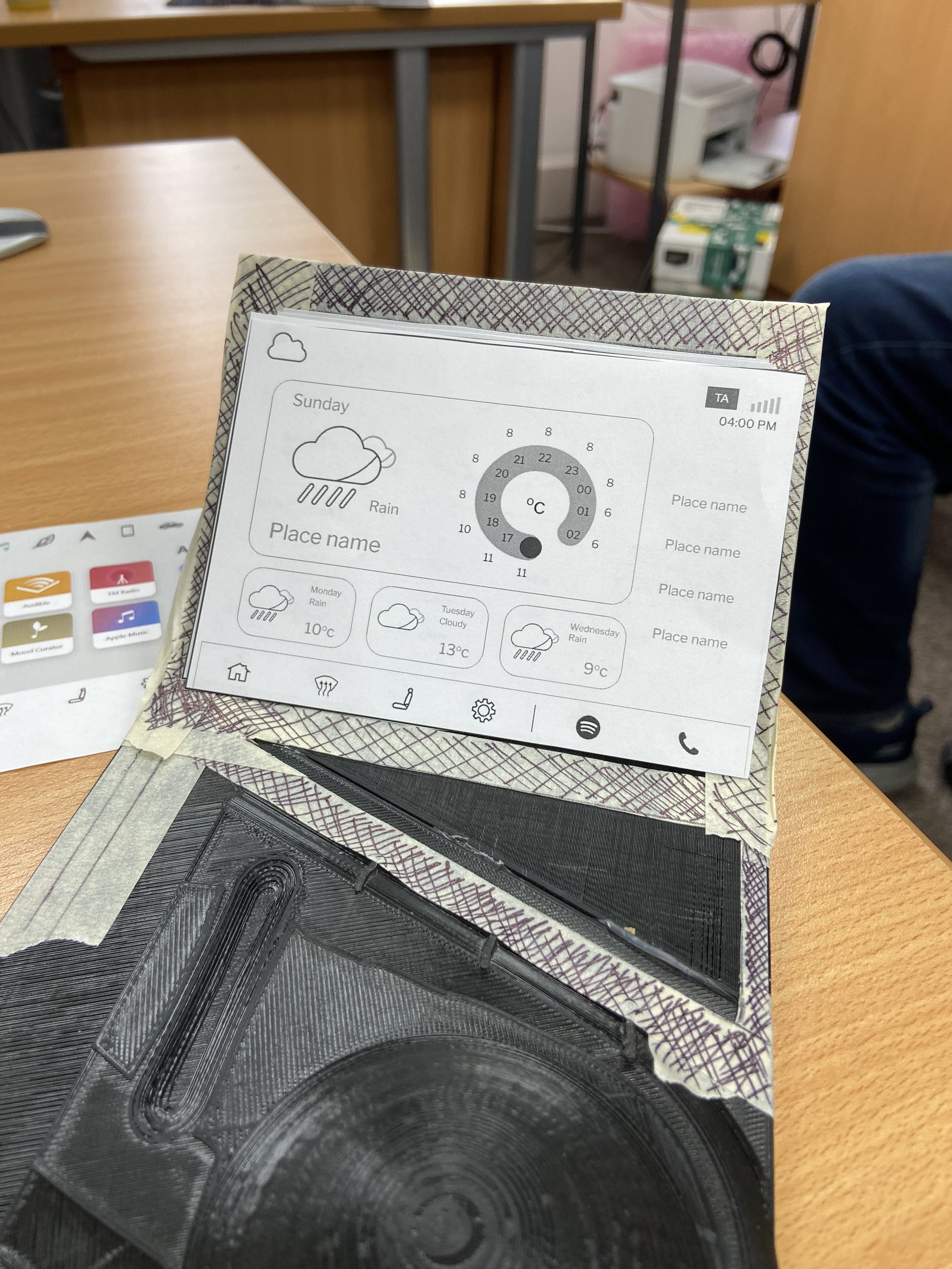
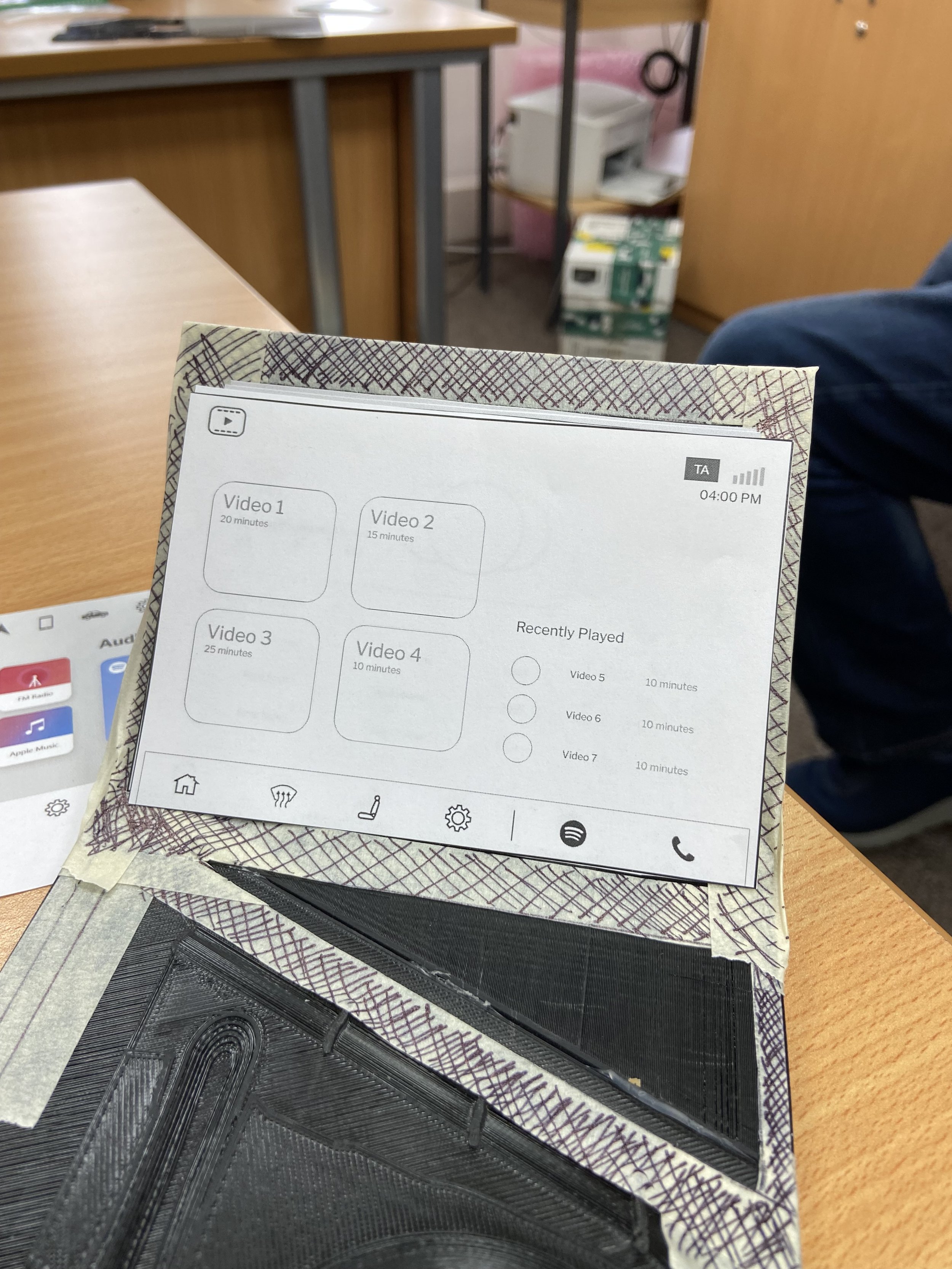
Hyundai Automotive Interface Project
Integrated Hardware/Software Interaction
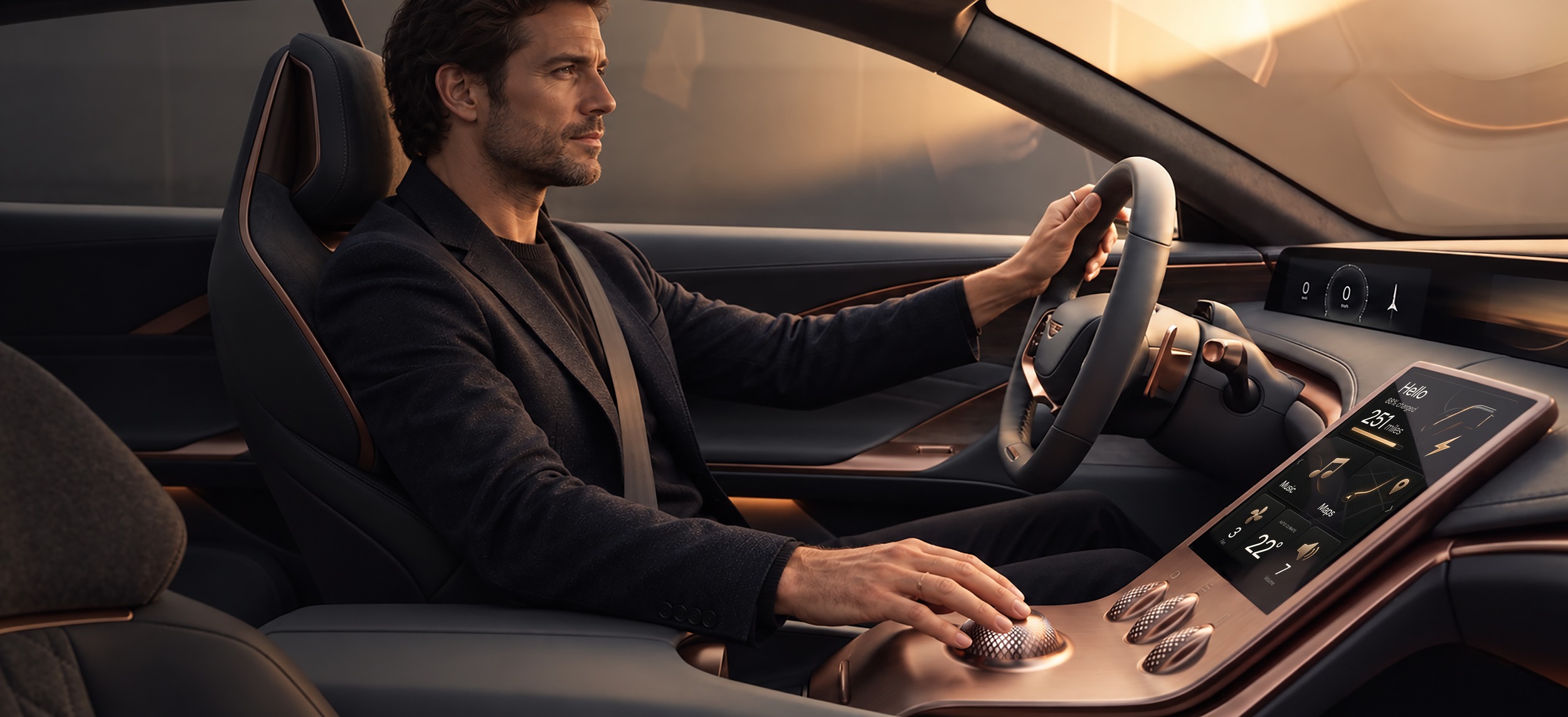
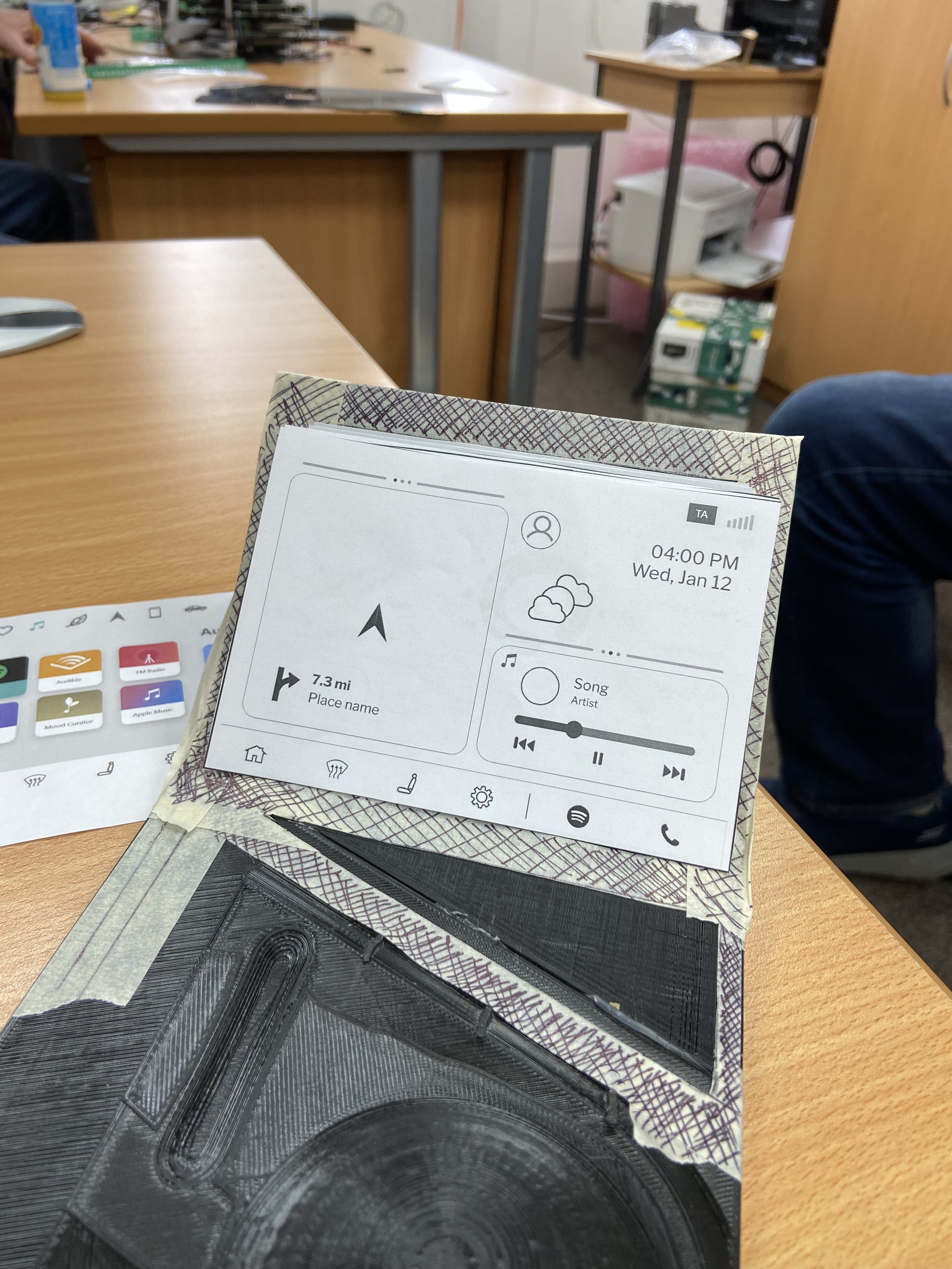
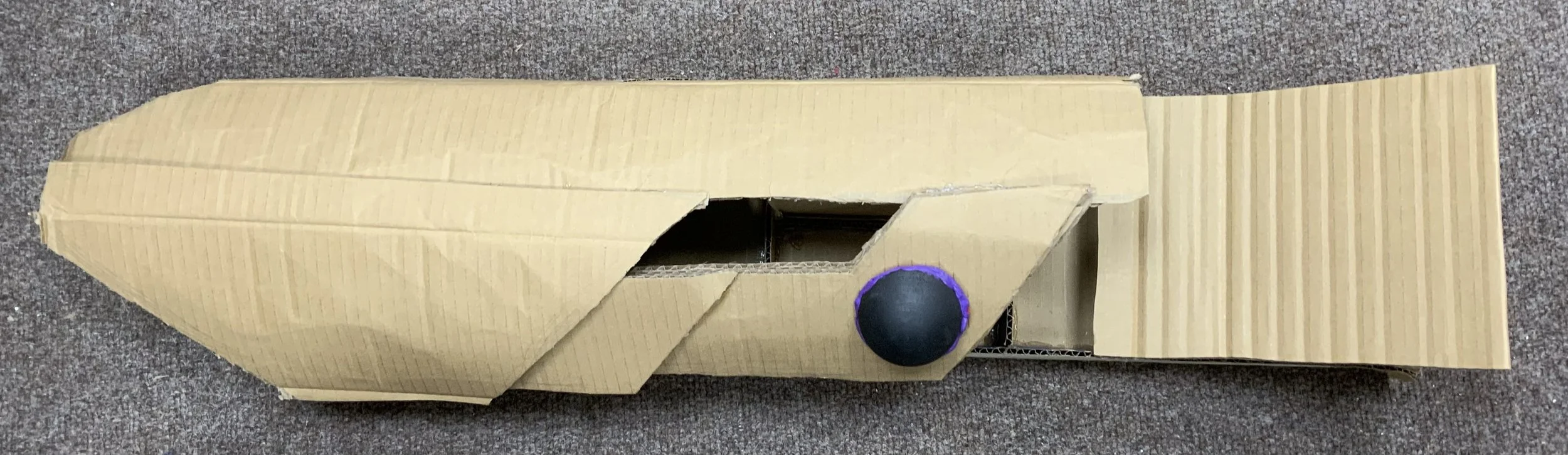
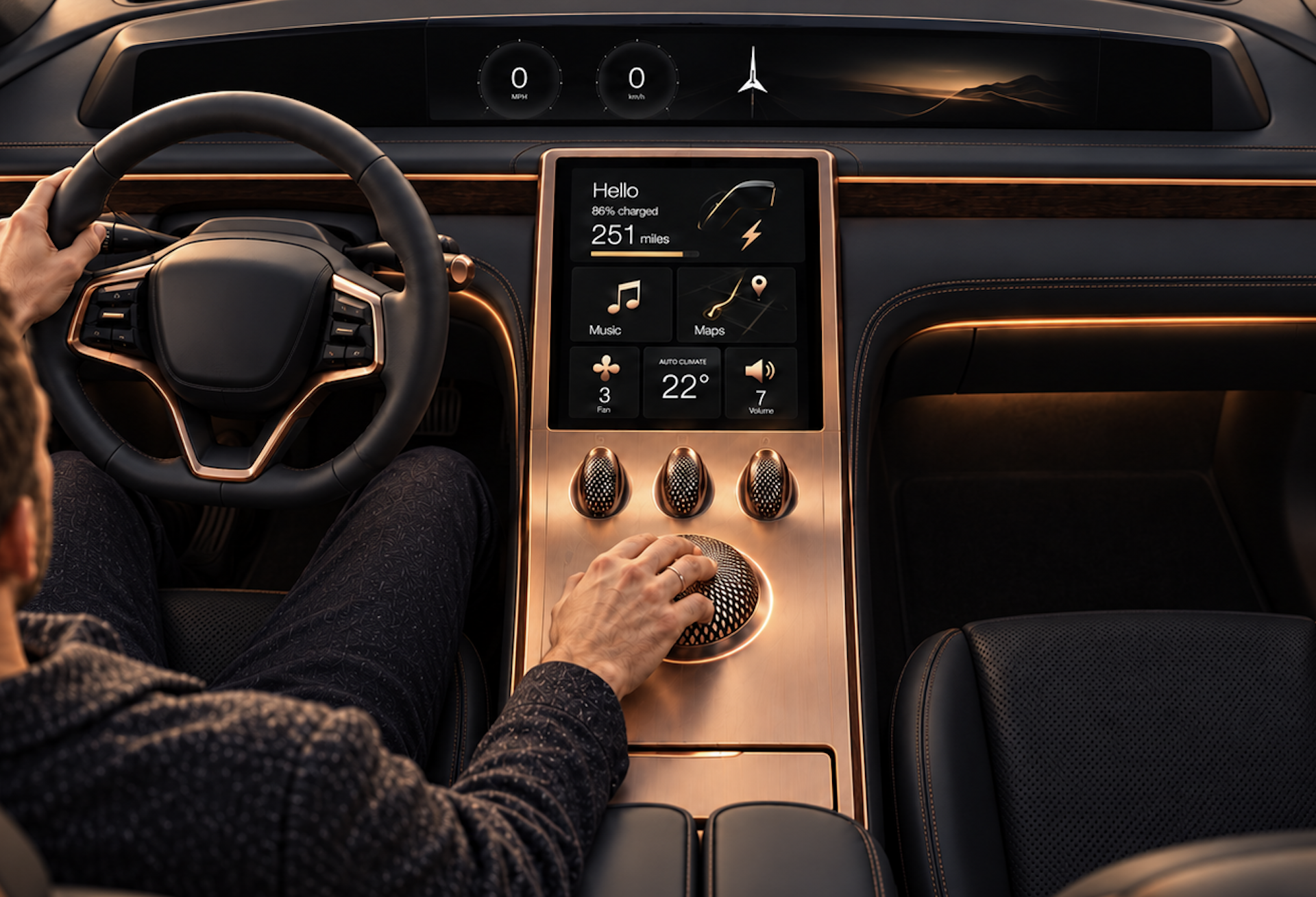
On the Hyundai project, I led the UX research and interaction design for an integrated armrest interface, combining physical ergonomics with digital controls.
The challenge was to design something that felt intuitive and comfortable in real use, not just visually refined. Rather than relying solely on digital prototypes, I built physical armrest mock-ups to explore reach, posture, and control placement.
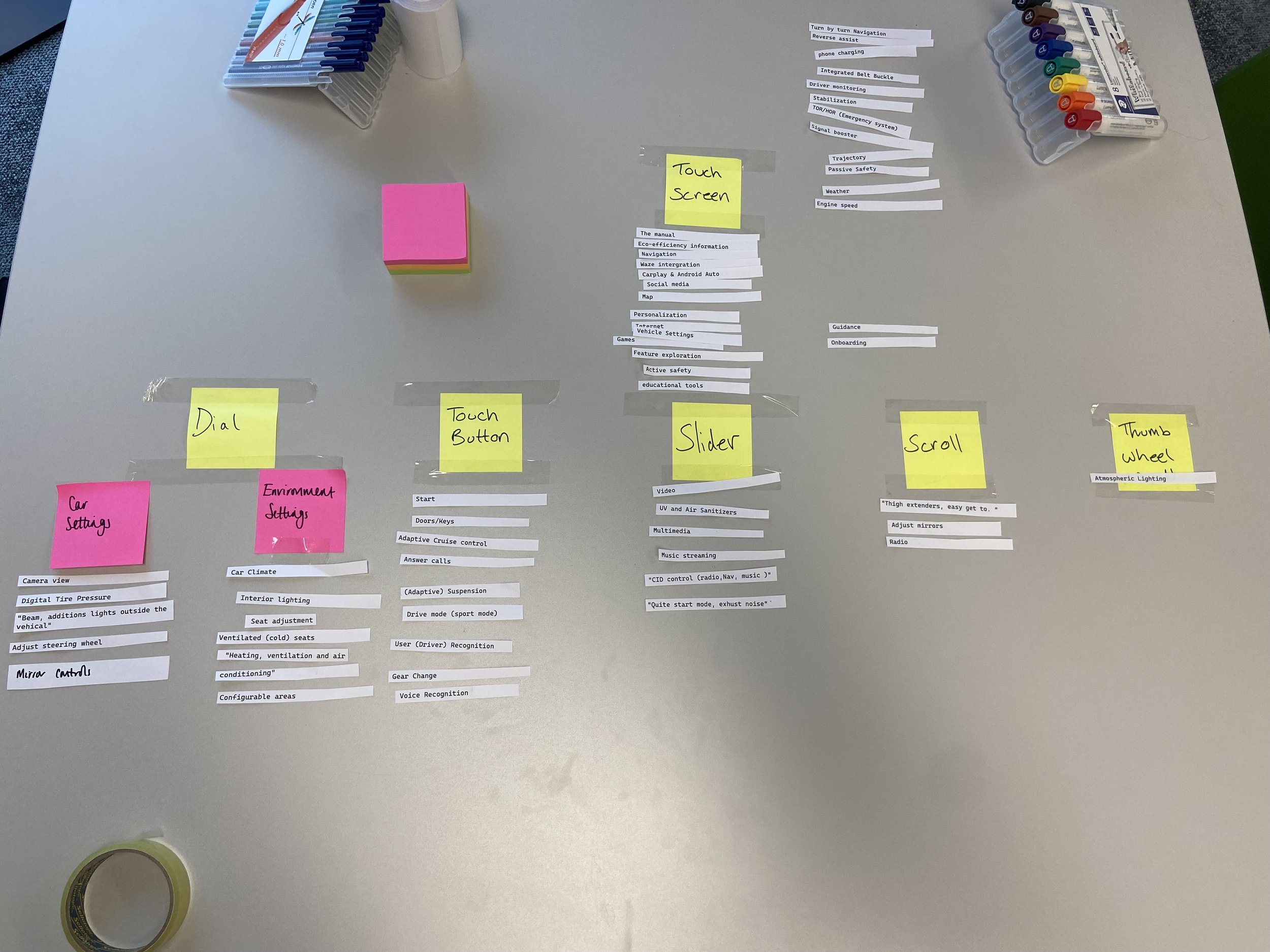
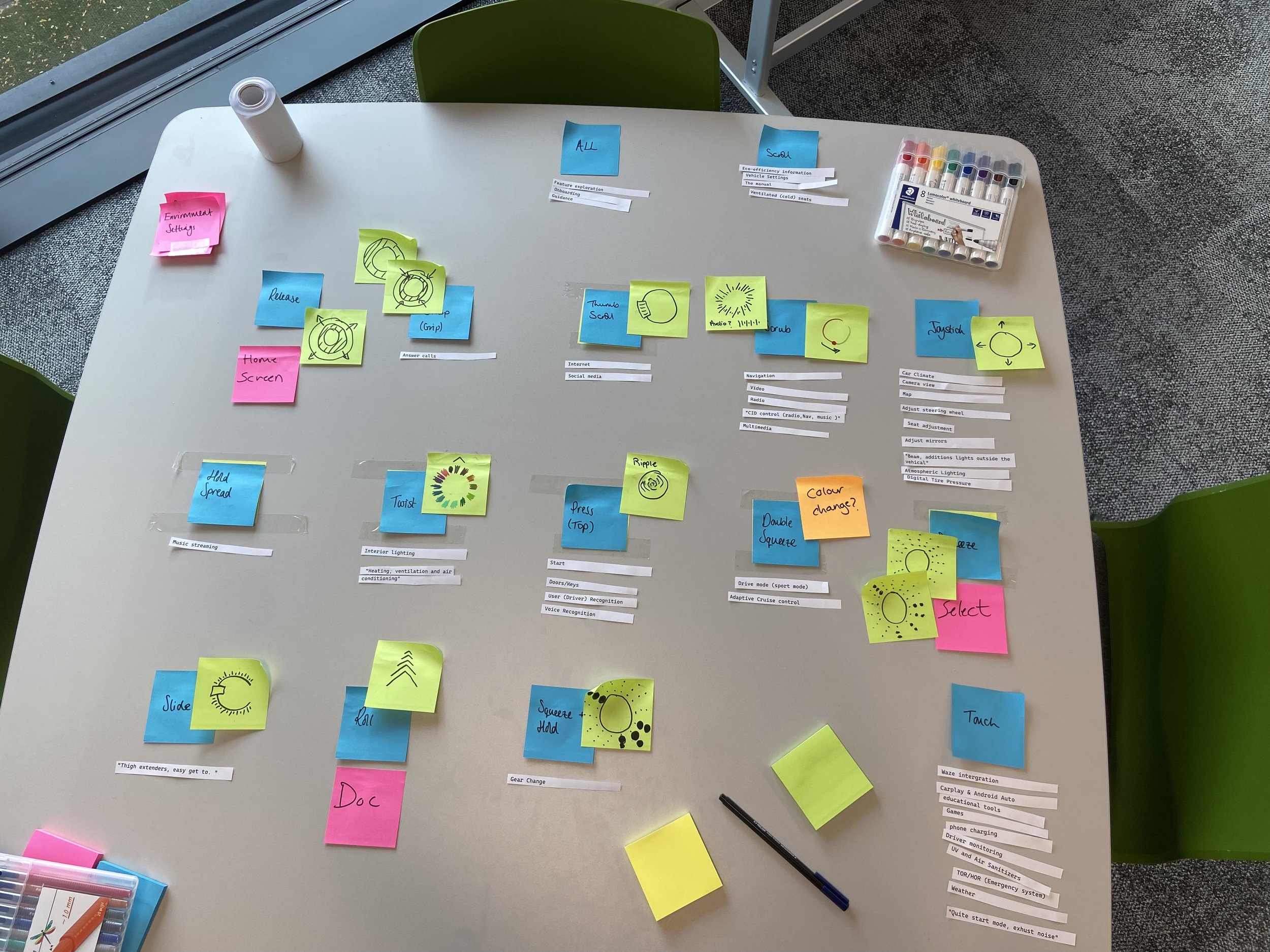
I conducted internal and small scale external usability testing, observing natural resting positions, wrist angles, and moments of hesitation. Early testing revealed subtle ergonomic tensions and interaction friction that weren’t obvious in concept designs.
Using these insights, I iterated both the physical form and digital interaction flow, working closely with engineering and industrial design to ensure refinements were practical and technically aligned.
When Hyundai conducted comparative testing against alternative concepts, our design demonstrated clear ergonomic and usability advantages. The research led iteration directly strengthened comfort, reach efficiency, and interaction clarity.
This project reinforced the importance of testing physical assumptions early, integrating hardware and software design thinking, and grounding iteration in observed behaviour rather than preference.
I influenced a strategic shift away from Hyundai’s legacy 2012 design system towards a design language inspired by the Genesis G90. By aligning the interface with Hyundai’s most innovative vehicle platform, I helped create a more intuitive and future-facing user experience that gained stakeholder buy-in and was accepted as part of the final proof of concept.
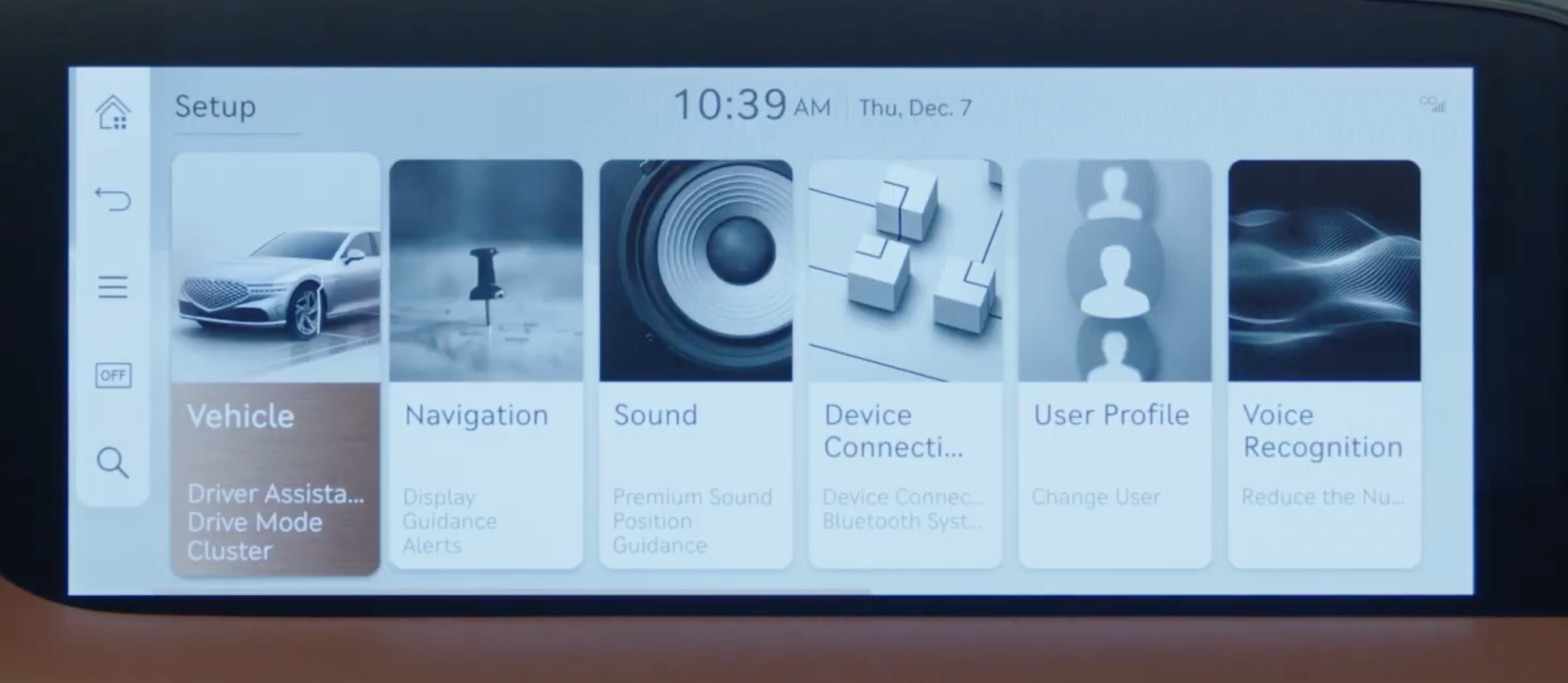
Genesis G90 Interface
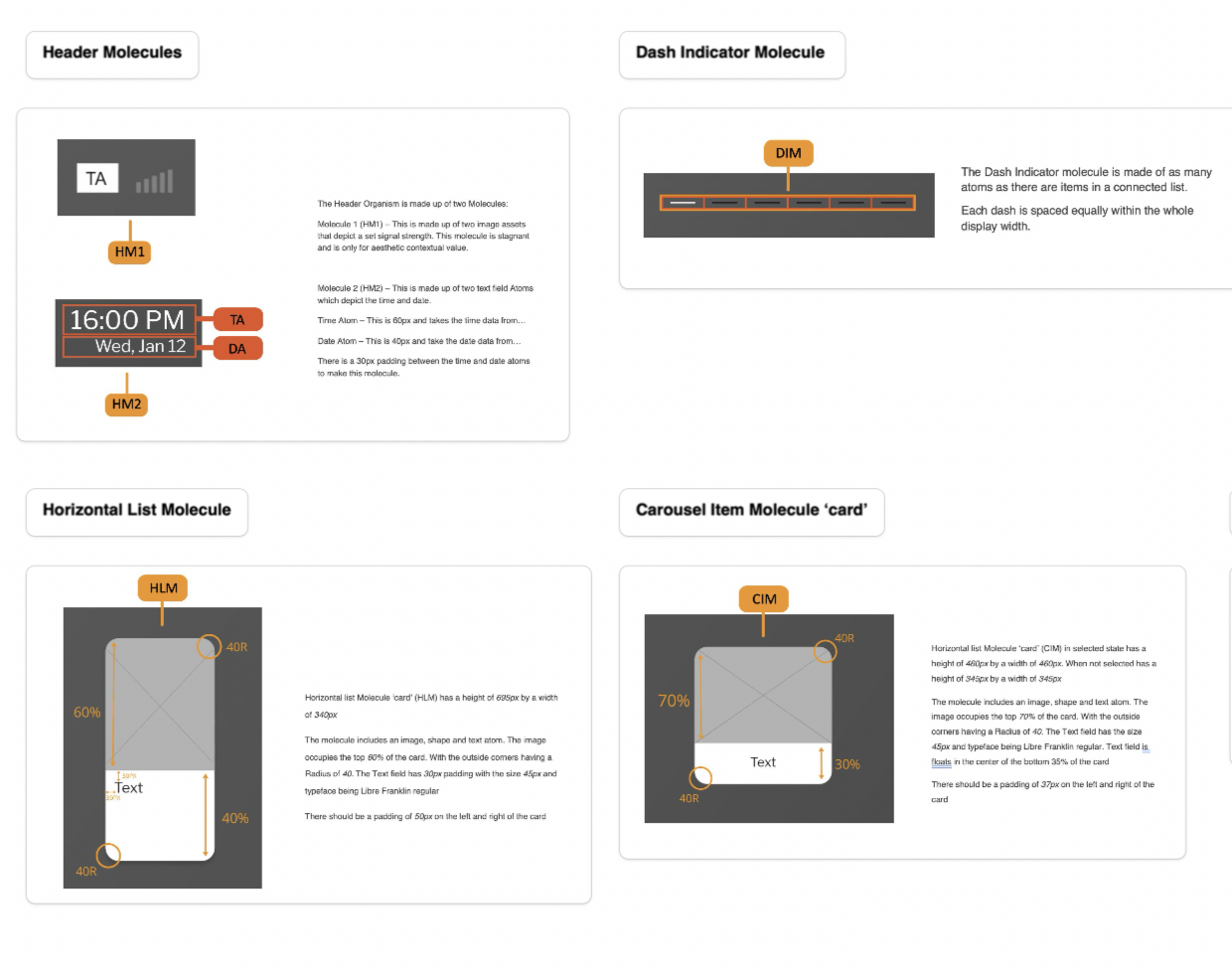
Atomic Design
Design Systems
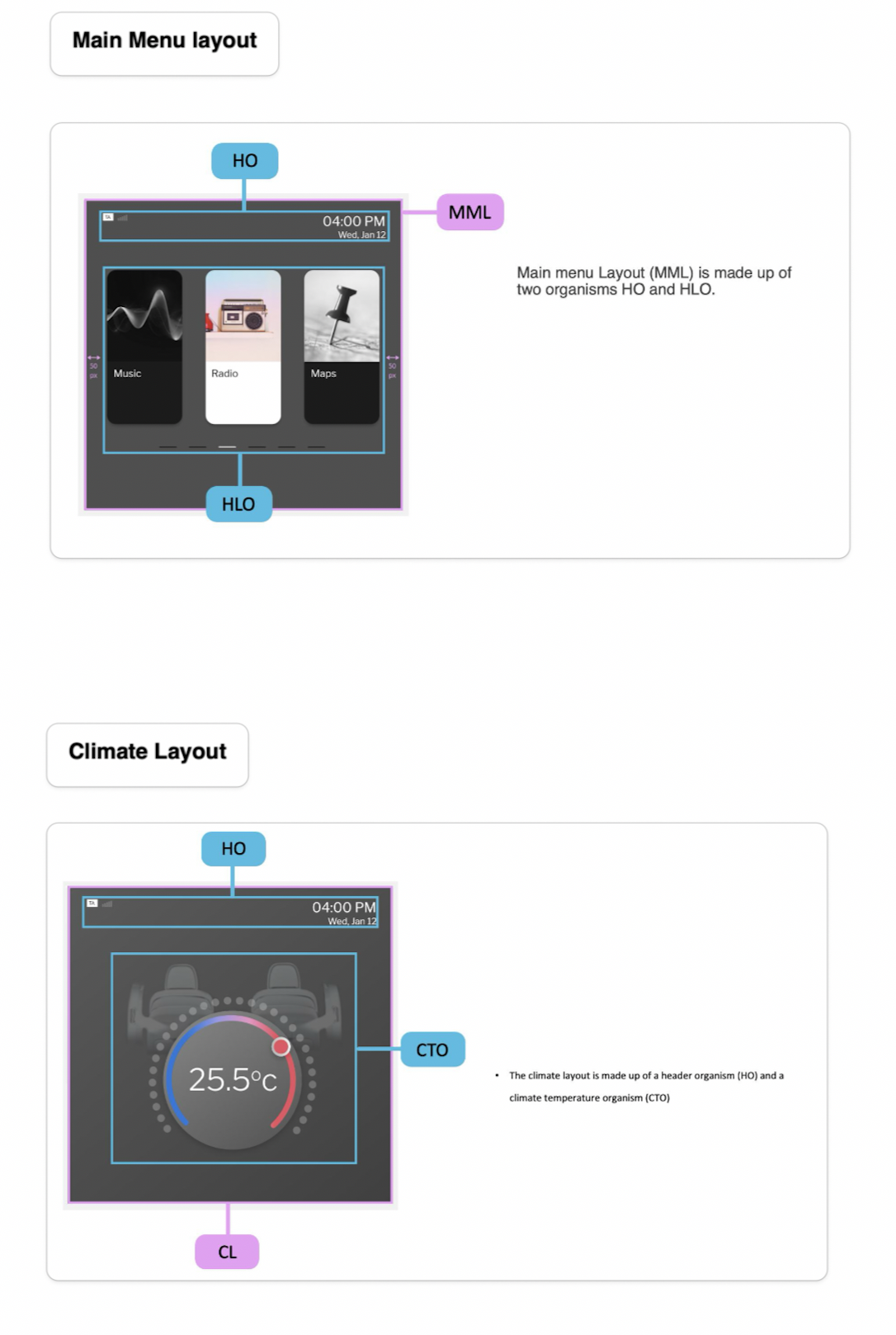
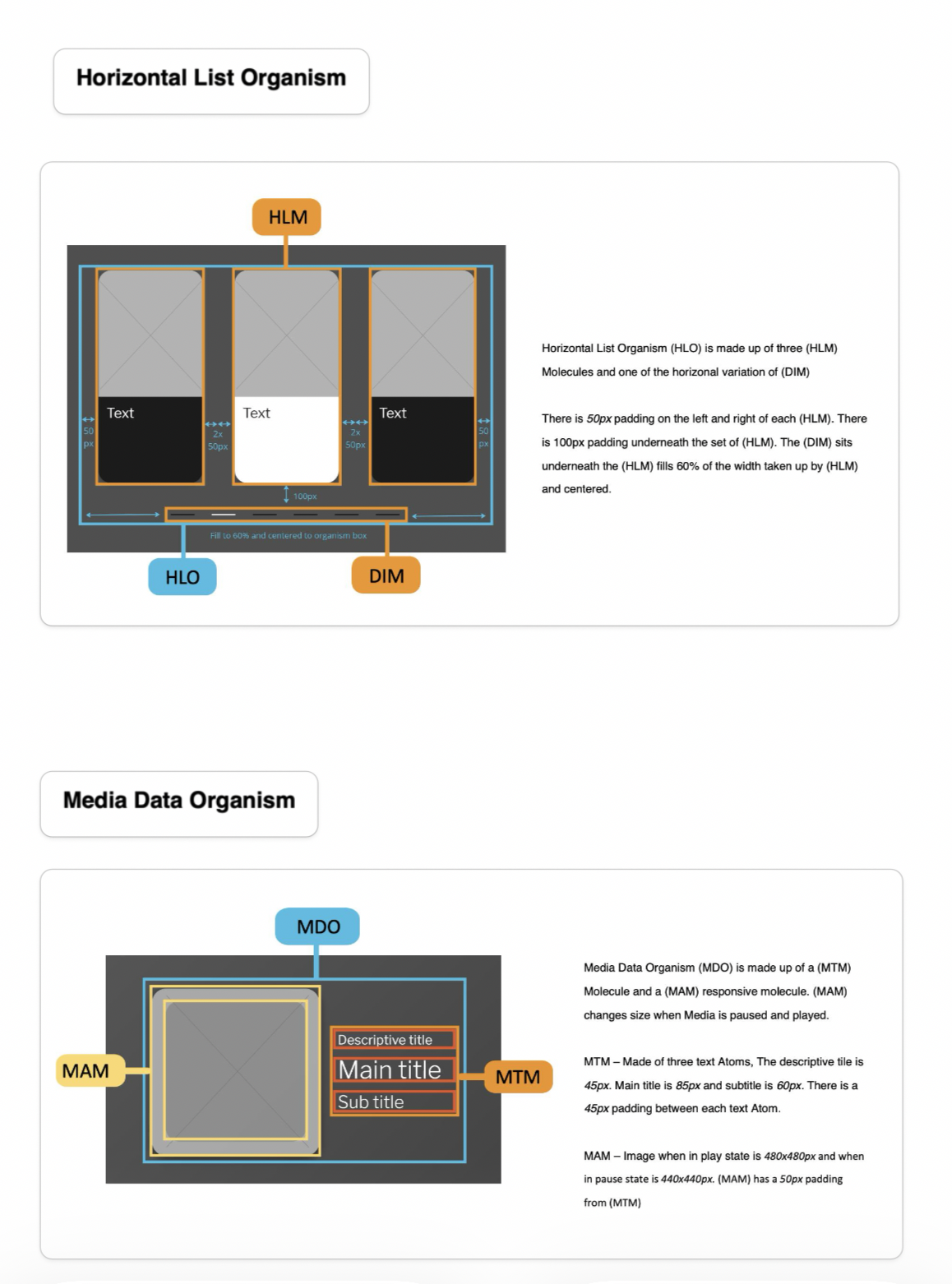
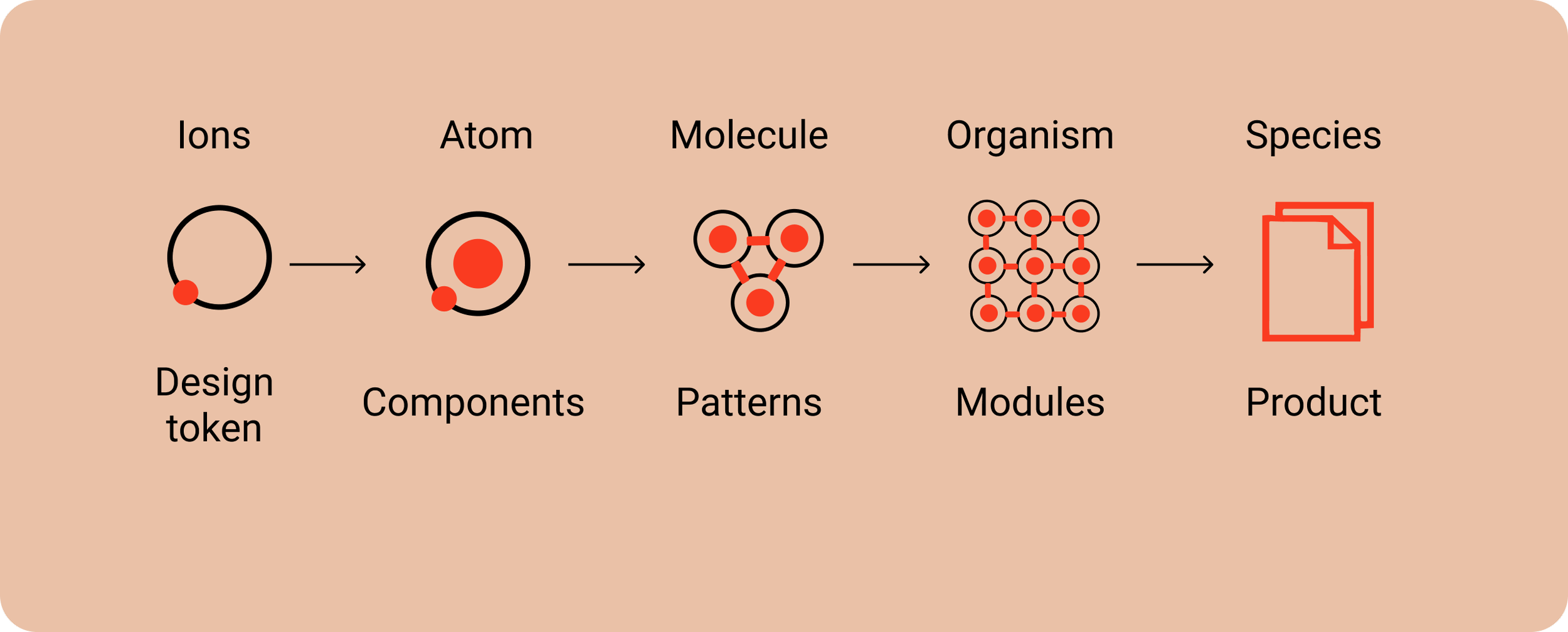
I introduced Atomic Design principles at Uniphy to create a modular, reusable component structure that improved scalability and flexibility. By separating visual styling from core interaction patterns, we were able to adapt interface visuals to align with different client demonstrations while maintaining consistent usability standards. This systematic approach improved efficiency, ensured consistency across projects, and supported collaboration with engineering teams.
Building a Scalable Interaction Framework
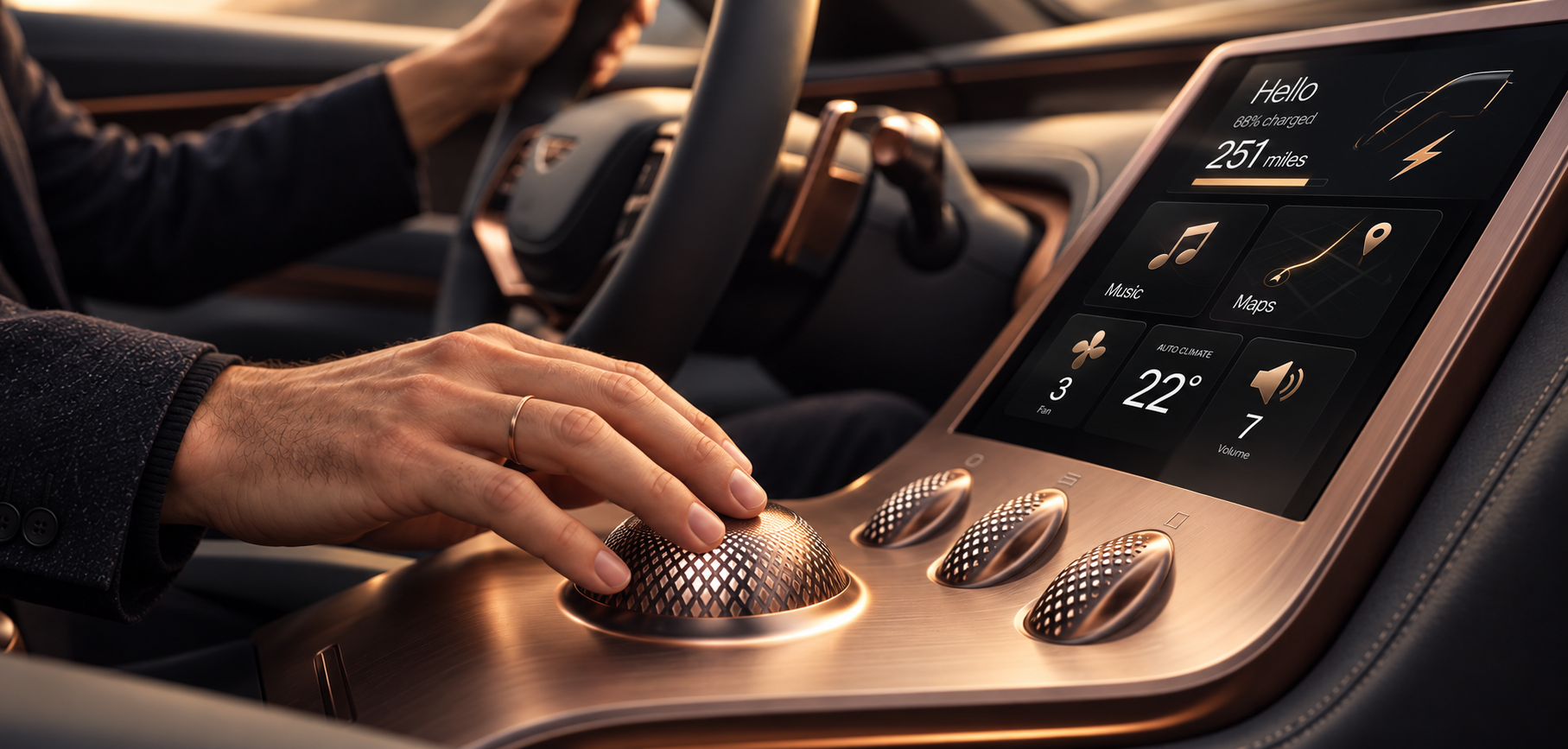
Alongside automotive projects, I worked on a configurable home and commercial interaction platform that combined Uniphy’s tactile hardware technology with a flexible digital interface.
The challenge was that the product was not designed for a single use case. Instead, it needed to support a wide range of potential applications across domestic and commercial environments, from smart home controls to specialist industry solutions. This required an interaction model that could evolve without redesigning the product from scratch for each new vertical.
To address this, I introduced and maintained an atomic design system that enabled the rapid creation, testing, and deployment of new interface concepts. By breaking components into reusable patterns and behaviours, the system provided a consistent foundation that could be adapted to different user needs while maintaining a coherent experience.
Accessibility
I championed accessible UI design by reviewing colour contrast ratios, typography, focus states, and interaction patterns to align with WCAG guidance. I embedded accessibility considerations early in the design process and advocated for inclusive decision-making during reviews and testing. While my scope focused on visual and interaction design rather than full compliance auditing, I ensured accessibility principles were consistently applied within my area of responsibility and remain up to date with WCAG 2.2 developments.
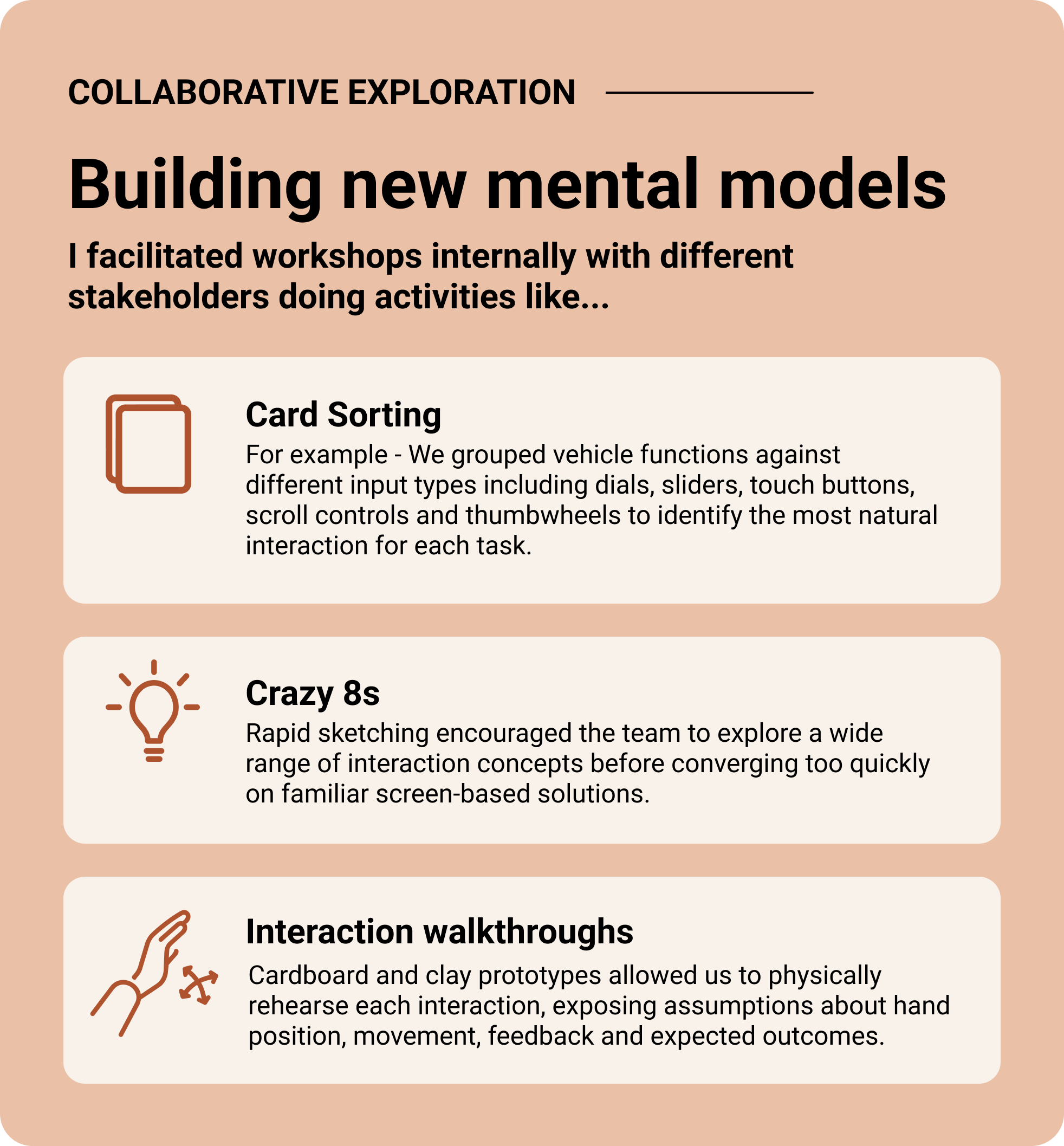
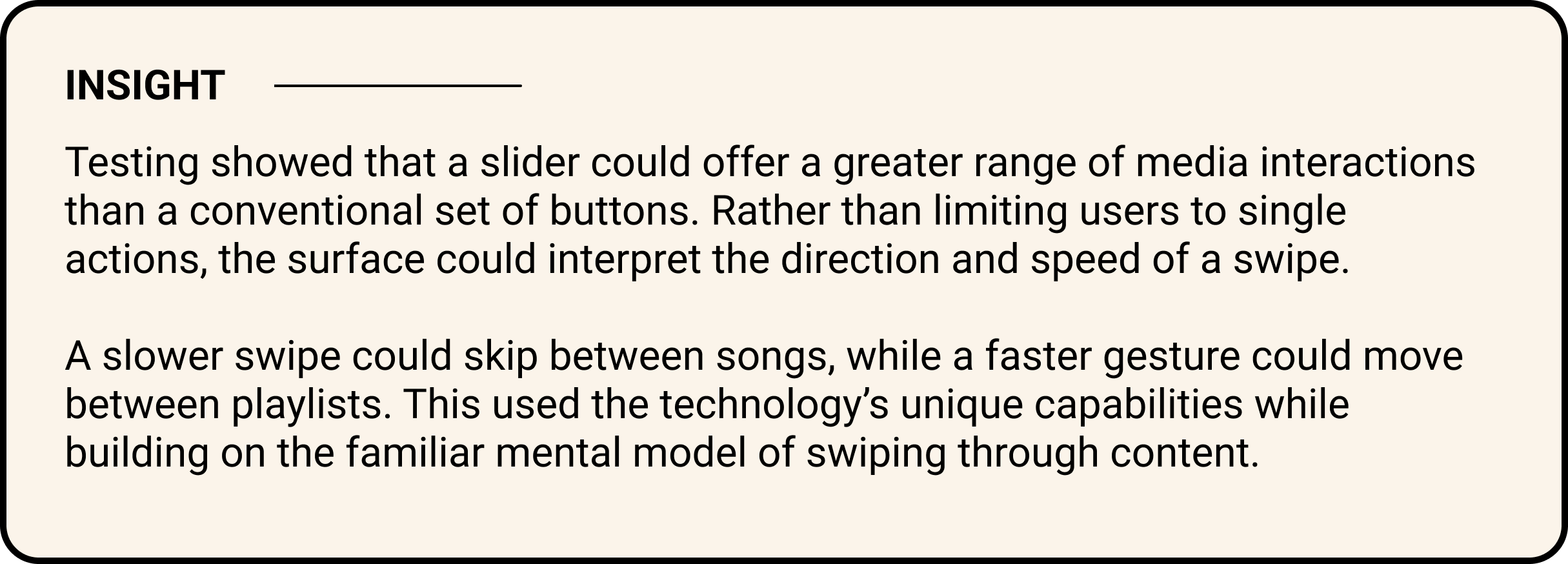
The design system became particularly valuable during research activities. Using rapid prototyping techniques, I was able to quickly create and modify interaction concepts for ethnographic testing and stakeholder demonstrations. This allowed us to explore how users interpreted novel tactile interactions and whether proposed gestures aligned with existing mental models.
Through observation and qualitative research, I gathered insights into how users approached unfamiliar interactions, identifying where expectations matched the intended behaviour and where additional affordances were required. These findings informed the evolution of both the interaction patterns and the design system itself, creating a feedback loop between research and design.
The result was a scalable interaction framework that reduced design overhead, accelerated concept validation, and enabled the product to adapt to multiple commercial and domestic applications without losing consistency or usability.